
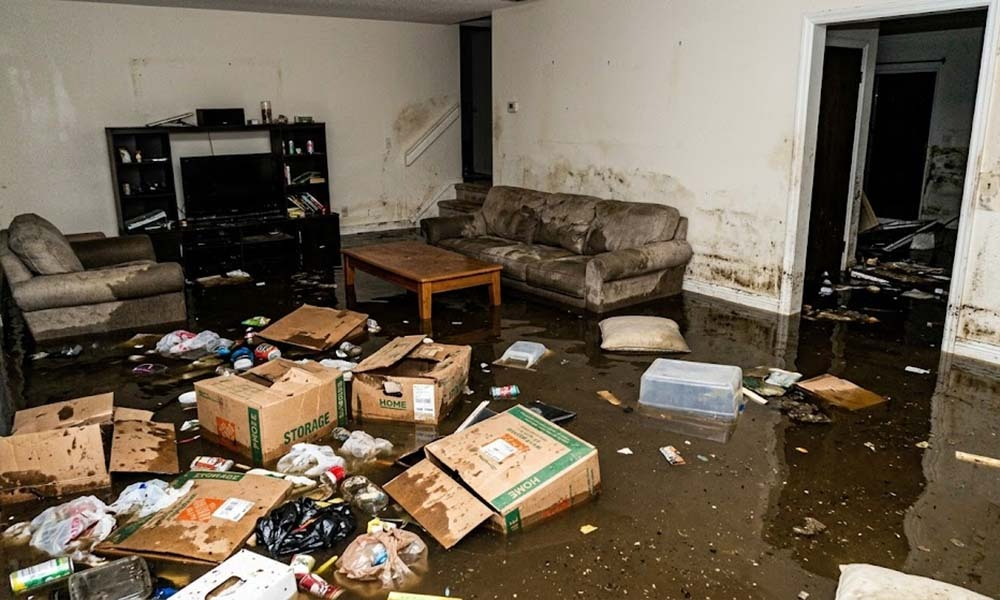
Category 3 water damage, commonly known as “Black Water,” is highly contaminated and poses immediate, severe health risks. In Southwest Florida, this includes all rising groundwater from storm surges (canals/Gulf) and sewage backups. According to IICRC S500 standards, Category 3 water contains pathogenic bacteria, viruses, and heavy metals. Immediate, professional biohazard remediation is mandatory; attempting to clean it yourself or delaying extraction can lead to severe illness and catastrophic structural decay.
When dealing with water intrusion in Cape Coral or Fort Myers, the first question isn’t how much water is in your home, but what kind of water it is. In the restoration industry, not all floods are created equal.
If rising canal waters have breached your property, a Gulf storm surge, or a severe plumbing backup, you are not dealing with a simple cleaning job. You are dealing with a certified biohazard. This is classified as Category 3 Water Damage, and it requires immediate, highly regulated mitigation to protect your physical health and the structural integrity of your property.
(Developer Note: Insert a broad internal link to the Pillar Page here).
Dealing with a massive flooding event? Read our Complete Guide to Flood Damage Restoration & Rebuilding in Cape Coral for a comprehensive overview of the entire recovery process.
1. The Science of Contamination: What Exactly is Category 3 Water?
To understand the threat, we must look at the strict guidelines set by the Institute of Inspection, Cleaning, and Restoration Certification (IICRC). The IICRC S500 Standard is the definitive technical manual for water damage restoration professionals. It classifies water into three categories based on its level of contamination.
The IICRC S500 Classifications:
- Category 1 (Clean Water): Originates from a sanitary source, such as a broken water supply line, a clean tub overflow, or melting ice. If left untreated for 24 to 48 hours, the temperature and ambient bacteria will degrade it to Category 2.
- Category 2 (Grey Water): Contains significant chemical, biological, or physical contamination. This water can cause illness if consumed or touched. Examples include washing machine overflows, dishwasher discharge, or toilet overflows containing urine but no feces.
- Category 3 (Black Water): This water is “grossly contaminated” and inherently pathogenic. It contains toxigenic or pathogenic agents, organic matter, heavy metals, or toxic chemicals.
Why Southwest Florida Storm Surge is Always Category 3
A common misconception among homeowners is that rainwater pushed into a home during a hurricane is relatively clean. This is factually incorrect.
When storm surges rise from the Gulf or the extensive canal systems of Cape Coral, the water sweeps over roads, industrial sites, and residential lawns. By the time it breaches your threshold, it has collected:
- Raw sewage from overwhelmed municipal lift stations and failing private septic tanks.
- Agricultural runoff includes dense concentrations of fertilizers and pesticides.
- Petrochemicals, motor oil, and antifreeze washed off driveways and streets.
- Decomposing biological matter (animal carcasses and plant debris).
[IMAGE 1 PLACEHOLDER: Real-World Category 3 Damage] Developer Note: Insert an image here using the “ugly/real” aesthetic. Alt Text: Murky, contaminated black water flooding a Cape Coral living room with floating debris. Visual Vibe: An amateur, handheld smartphone photo taken with a harsh flash. Murky, brown floodwater. Messy floating cardboard boxes and a stained, wet drywall baseboard. Gloomy, unedited, emphasizing the biohazard reality.
2. The Extreme Health Risks of Black Water Exposure
The danger of Category 3 water cannot be overstated. The pathogens thriving in this environment are aggressive, and exposure does not strictly require ingestion; many bacteria can enter the body through microscopic cuts on the skin or via mucous membranes (eyes, nose).
Primary Pathogenic Threats
- E. coli and Salmonella: Highly prevalent in water mixed with raw sewage or agricultural animal waste, leading to severe gastrointestinal distress, dehydration, and in severe cases, systemic infection.
- Hepatitis A: A highly contagious liver infection transmitted through ingestion of fecal matter, which is universally present in urban floodwaters.
- Tetanus: The risk of puncture wounds from unseen debris hidden beneath murky water drastically increases the risk of tetanus infection.
- Endotoxins: Released when bacteria die, endotoxins can become airborne as the contaminated water evaporates, leading to severe respiratory inflammation and asthma attacks even if you never physically touch the water.
The 48-Hour Mold Multiplication
In addition to bacteria, Category 3 water provides the perfect nutrient-rich soup for toxic mold colonization. In Florida’s high-humidity environment, Stachybotrys chartarum (black mold) and Aspergillus spores—which are naturally present in the air—will settle on saturated, contaminated drywall and begin rapidly multiplying within 48 hours.
3. Mandatory Professional Remediation Protocols (Why DIY is a Trap)
Because of the severe health hazards, attempting to clean Category 3 water with bleach, bath towels, and a standard shop vac is incredibly dangerous and ultimately futile. Standard household bleach is deactivated by heavy organic loads (dirt and sewage), meaning it will not sanitize the surface.
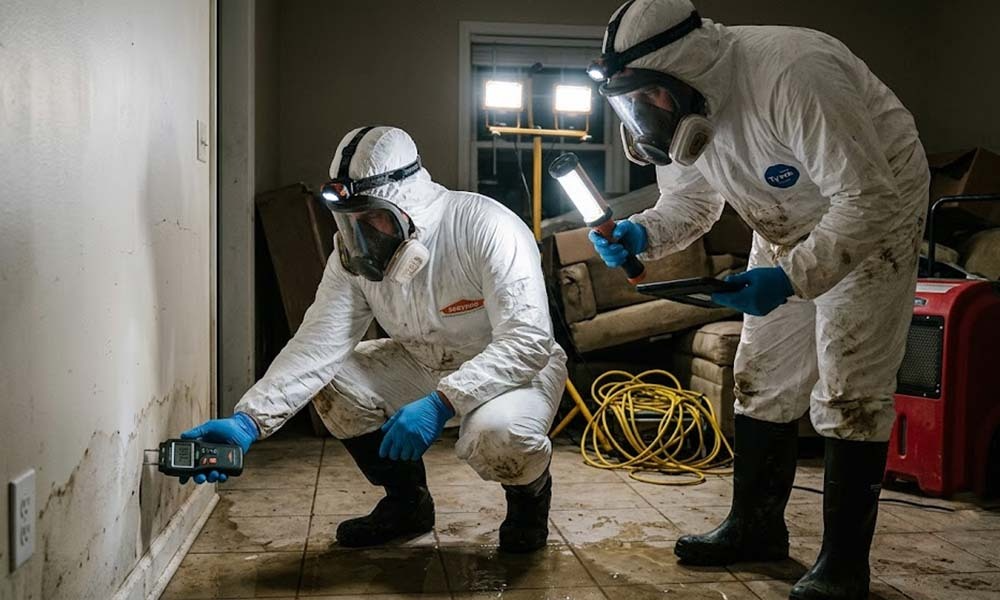
Professional biohazard remediation requires a strict, multi-phase protocol executed by licensed technicians equipped with Personal Protective Equipment (PPE), including Tyvek suits and full-face HEPA respirators.
Phase A: Containment and Air Filtration
Before any standing water is moved, the affected area must be isolated. AMO Excellence technicians establish containment barriers using heavy-duty poly-sheeting. We then deploy industrial Negative Air Scrubbers equipped with true HEPA filters. This creates negative air pressure inside the contaminated zone, ensuring that when the water is agitated, aerosolized bacteria and mold spores are trapped rather than spread to the clean areas of your home.
Phase B: Safe Extraction and Disposal
Using specialized, truck-mounted extraction units and trash pumps designed to handle heavy debris, the grossly contaminated water is safely removed from the property and disposed of according to local environmental regulations, never just pumped back into the street.
Phase C: The “Flood Cut” and Demolition
This is the most critical difference between clean water and black water mitigation. Porous materials saturated by Category 3 water cannot be salvaged. They must be demolished.
- Drywall and Insulation: Technicians perform a “Flood Cut,” slicing the drywall cleanly at a horizontal line, usually two to four feet above the highest water mark. The contaminated drywall and the saturated fiberglass insulation behind it are permanently removed.
- Flooring: Carpet, carpet padding, laminate, and engineered hardwood must be stripped down to the concrete slab. The porous nature of these materials traps raw sewage permanently.
- Cabinetry: Custom kitchen islands and base cabinets submerged in black water will warp, delaminate, and harbor bacteria. They must be safely dismantled and removed.
[IMAGE 2 PLACEHOLDER: The Reality of Professional Mitigation] Developer Note: Insert the “ugly/real” contractor setup image here. Alt Text: Professional restoration equipment drying a room after a flood in Cape Coral. Visual Vibe: A rugged industrial dehumidifier and a yellow air mover fan running on a bare concrete slab. The lower section of the drywall has a rough horizontal “flood cut” exposing the studs. Real construction site aesthetic, messy workspace, authentic handheld camera shot.
Phase D: Deep Sanitization and Structural Drying
Once the unsalvageable materials are removed, the structural skeleton of the home (the wooden framing studs and concrete slab) is exposed. These semi-porous surfaces are aggressively treated with EPA-registered, broad-spectrum biocides to kill all remaining pathogens. Only then are commercial LGR (Low Grain Refrigerant) dehumidifiers deployed to draw the deep, bound moisture out of the structural wood, preventing future dry rot and structural failure.
4. The Structural and Financial Impact on Your Home
Beyond the immediate health crisis, untreated or improperly mitigated Category 3 water will silently destroy your home’s structural integrity.
Wooden studs that are not properly dried will warp and lose their load-bearing capacity. Fasteners, nails, and metal hurricane straps will rapidly oxidize and rust when exposed to the corrosive elements in storm surge water.
Furthermore, if an insurance adjuster discovers that you delayed mitigation or attempted a DIY cleanup that resulted in secondary mold growth, they can legally deny your claim under the “failure to mitigate” clause of your homeowner’s policy. Professional documentation from a certified restoration firm is your best defense against an underpaid or denied insurance claim.
(Developer Note: Link to the BoFu rule page here).
Are your repair costs exceeding your home’s value? Learn how the FEMA 50% Rule in Cape Coral dictates your rebuilding process after severe Category 3 damage.

5. The AMO Excellence Advantage: Mitigation to Masterpiece
The aftermath of a Category 3 disaster is chaotic. Most homeowners find themselves trapped between a specialized biohazard cleanup crew that leaves their home completely gutted and the daunting task of finding a separate contractor to rebuild their kitchen and replace their floors.
AMO Excellence eliminates this friction.
We are not just an emergency dry-out service; we are a fully licensed and insured General Contracting firm based in Cape Coral. Our unique, single-source solution means the same trusted team that extracts the hazardous water and sanitizes your framing will seamlessly transition into rebuilding your home.
By managing the entire process in-house, we:
- Eliminate Downtime: There is no waiting weeks for a new contractor to bid on the rebuild.
- Ensure Code Compliance: As General Contractors, we pull all necessary city permits and navigate complex local regulations, ensuring your custom kitchen rebuild or bathroom remodel meets current Florida building codes.
- Maximize Your Insurance Claim: We provide your insurance company with a unified, meticulously detailed estimate that covers both the emergency mitigation and the final remodeling costs.
Do Not Wait. The Damage is Multiplying.
Category 3 water damage is an acute emergency. Every hour that contaminated water sits in your home, the biohazard threat multiplies, and the structural damage deepens. Do not touch the water, do not run your HVAC system, and do not attempt to clean it yourself.
Protect your health and your home. Contact the 24/7 emergency response team at AMO Excellence immediately for certified Category 3 water extraction, complete sanitization, and premium structural rebuilding.